


Introduction
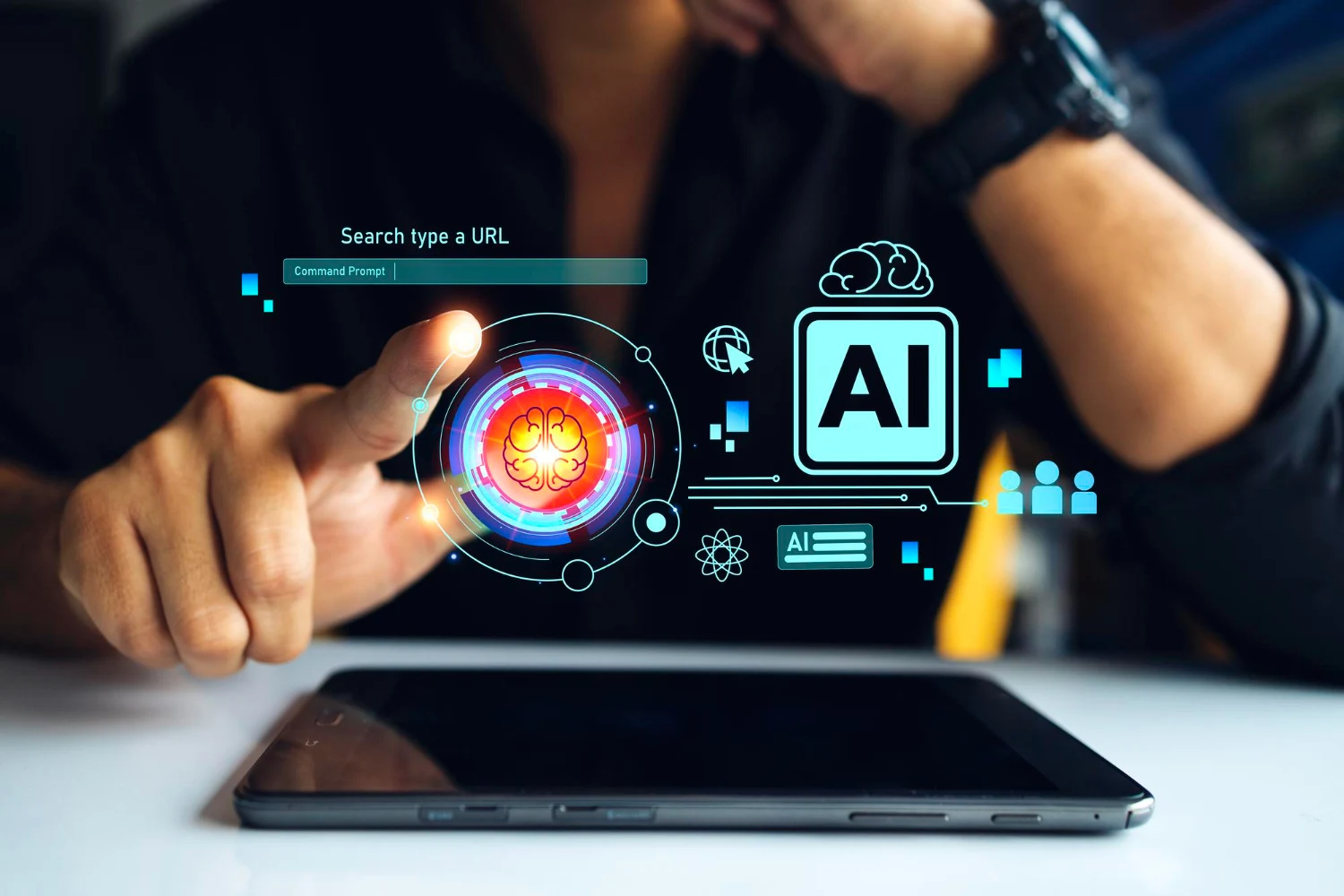
Artificial Intelligence is no longer a futuristic concept—it's here, and it's transforming web design in ways we never imagined. From generating entire layouts to creating personalized user journeys, AI is becoming an essential tool for designers and developers alike. Here's how AI is reshaping web design in 2026...
The Rise of AI-Powered Design Tools
2026 has brought a wave of AI-powered design tools that are changing how designers work. These tools aren't replacing designers—they're supercharging their creativity.
AI tools can now analyze design patterns across millions of websites and suggest improvements.
Tools like Adobe Sensei, Figma AI, and Canva AI are pushing the boundaries of what's possible.
AI design assistants can create color palettes, typography systems, and even complete layouts based on simple prompts.
Design Time Reduction
70% faster
Designer Productivity
45% higher
Quality Improvement
30% better
Personalization at Scale: AI-Driven Experiences
One-size-fits-all web design is dying. Users expect websites to adapt to their preferences, behaviors, and needs.
AI analyzes user behavior in real-time and adjusts layouts, content, and interactions accordingly.
E-commerce sites use AI to show personalized product recommendations based on browsing history.
News and content sites use AI to prioritize content based on reading habits.
The result is a unique experience for every visitor, increasing engagement and conversions.
💡 Key Takeaways:
- •Implement AI-powered recommendations on product pages
- •Use behavioral targeting to personalize navigation
- •Test different AI algorithms for optimal engagement
- •Respect user privacy and offer opt-out options
- •Start with small personalization features and scale up
Conversion Increase
60% with AI
User Engagement
45% higher
Bounce Rate Reduction
35% lower
Making the Web Accessible with AI
Accessibility is no longer an afterthought—it's a requirement. AI is making it easier to create inclusive experiences for everyone.
AI can automatically generate alt text for images, making content accessible to screen readers.
Voice navigation and AI-powered chatbots help users with motor impairments.
AI can analyze color contrast and suggest accessible color combinations.
Real-time translation tools break language barriers across the web.
Accessibility Compliance
80% faster
Manual Effort Reduction
75% less
User Inclusion
50% more accessible
AI-Powered Testing and Optimization
A/B testing has been a staple of UX optimization for years. Now, AI is taking it to the next level.
AI can test thousands of variations simultaneously and identify winning designs faster.
Predictive analytics help anticipate user behavior and optimize experiences in real-time.
AI heatmaps predict where users will look and click before they actually do.
Automated usability testing tools identify friction points in the user journey.
Testing Speed
10x faster
Accuracy Improvement
40% higher
Cost Reduction
60% less
Content Generation with AI Assistants
AI is transforming content creation, from copywriting to image generation and video production.
AI writing tools can generate copy for landing pages, product descriptions, and blog posts.
AI image generators create unique visuals based on text descriptions.
AI video tools can create animations and promotional content automatically.
The key is using AI as a starting point and adding human creativity and expertise.
💡 Key Takeaways:
- •Use AI to generate content drafts and refine them manually
- •Create multiple variations and select the best ones
- •Maintain brand voice and authenticity in AI-generated content
- •Use AI for content ideas and structure, not just copy
- •Always review and edit AI-generated content before publishing
Ethical AI in Web Design
With great power comes great responsibility. Using AI in web design raises important ethical considerations.
Privacy: How is user data collected and used? Transparency is key.
Bias: AI models can perpetuate biases if not carefully trained.
Autonomy: Users should have control over their experience.
Authenticity: AI should enhance, not replace, human creativity.
Accessibility: AI should include, not exclude, users with disabilities.
Users Concerned About Privacy
75%
Trust in AI Designs
55% and growing
Companies with AI Ethics Guidelines
40%
How to Start Using AI in Your Design Process
If you're not using AI in your design workflow yet, here's how to start:
Step 1: Identify repetitive tasks that AI can automate—like resizing images or generating alt text.
Step 2: Explore AI tools for research and ideation—use AI to generate mood boards and design concepts.
Step 3: Implement AI for user testing—use heatmaps and behavior analysis.
Step 4: Experiment with generative AI—create variations and iterate quickly.
Step 5: Monitor and improve—track results and refine your approach.
💡 Key Takeaways:
- •Start with free or low-cost AI tools to minimize risk
- •Focus on one area at a time—don't try to implement everything at once
- •Track metrics to measure the impact of AI on your design process
- •Share learnings with your team to encourage adoption
- •Stay updated on new AI tools and capabilities
What's Next? AI in Web Design Beyond 2026
The evolution of AI in web design is accelerating. Here's what experts predict for the coming years:
Full-site AI generation: AI will be able to create complete, production-ready websites from a brief.
Hyper-personalization: Websites will adapt in real-time to each user's context and needs.
Conversational UI: AI interfaces will replace traditional navigation as primary interaction method.
AI design co-pilots: Designers will work alongside AI that learns their style and preferences.
Web3 integration: AI will power decentralized, user-owned web experiences.
AI in Web Design Adoption
Projected 80% by 2028
AI Design Market Size
$10 billion by 2027
Design Jobs Evolution
60% new AI-centric roles
Final Takeaway
AI is not replacing designers—it's empowering them to work smarter, faster, and more creatively. The future of web design is collaborative, with humans and AI working together to create experiences that are more personalized, accessible, and effective than ever before. The best time to start integrating AI into your design process is now.
✦ The best designers will be those who can harness AI's power while maintaining human empathy, creativity, and ethical judgment. The future isn't AI vs. humans—it's AI and humans working together.